Introduction to Meal Prep
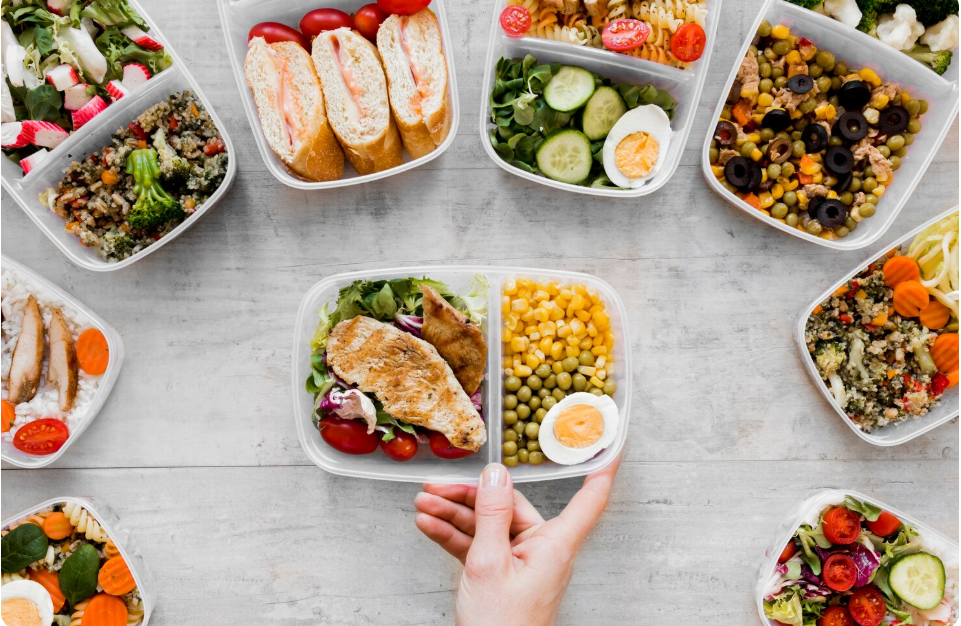
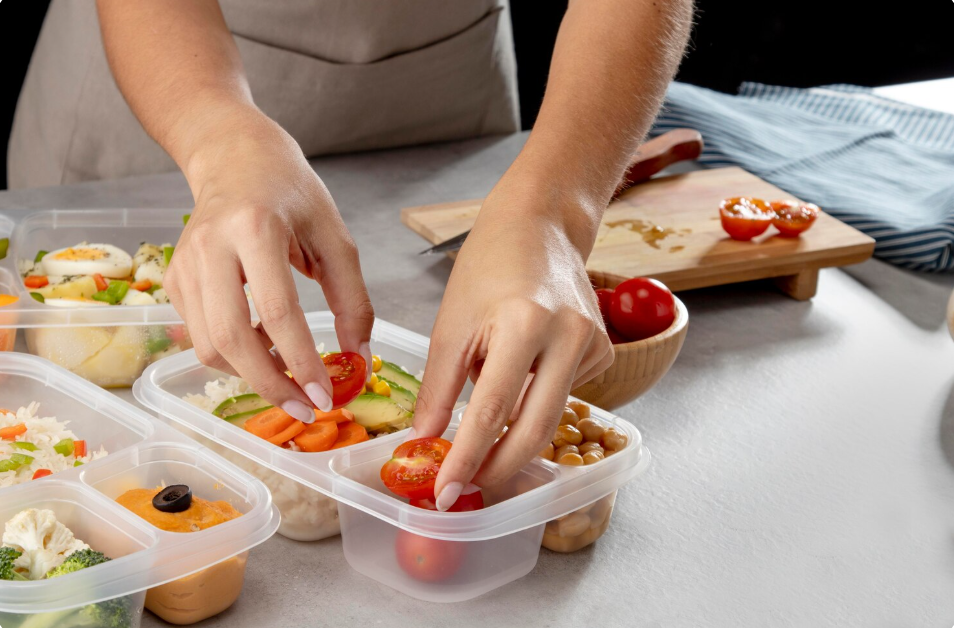
Meal Prep is the practice of planning, preparing, and organizing meals in advance to save time, reduce stress, and maintain a healthy diet. It allows individuals to manage portions, control ingredients, and ensure consistent nutrition throughout the week. By dedicating a few hours to preparation, daily cooking becomes simpler, and eating habits become more structured and intentional.
Benefits of Meal Prep
Meal Prep offers numerous advantages. It saves time by reducing daily cooking tasks, helps maintain portion control, and supports healthier food choices. Preparing meals in advance minimizes reliance on fast food or unhealthy snacks, reduces food waste, and promotes consistency in diet. It also encourages mindful eating, helping individuals plan balanced meals with the right nutrients.
Planning Your Meals
Effective Meal Prep begins with planning. Start by creating a weekly menu based on nutritional goals and preferences. Include a variety of proteins, vegetables, grains, and healthy fats to ensure balance. Planning also helps with grocery shopping, allowing you to buy only what is needed, which reduces waste and saves money.
Choosing Recipes and Ingredients
Select recipes that are easy to prepare, store well, and maintain flavor throughout the week. Focus on fresh, seasonal ingredients and prioritize lean proteins, whole grains, and nutrient rich vegetables. Consider cooking versatile components like rice, quinoa, or roasted vegetables that can be used in multiple dishes.
Batch Cooking Techniques
Batch cooking is a core element of Meal Prep. Preparing large quantities of staples like grains, beans, proteins, or sauces allows you to assemble meals quickly. Roasting, steaming, or slow cooking multiple ingredients at once maximizes efficiency. Batch cooking reduces the time spent in the kitchen daily and ensures meals are ready to eat.
Portion Control and Storage
Proper storage and portioning are crucial. Divide meals into airtight containers for individual servings, making it easy to grab and go. Use clear containers to see contents at a glance and label them with dates to ensure freshness. Proper storage helps maintain taste, texture, and safety of the meals.
Incorporating Variety
To prevent monotony, vary your meals by using different proteins, vegetables, and seasonings. Rotate sauces, herbs, and spices to change flavors without extra effort. Incorporating colorful vegetables and fruits not only enhances nutrition but also makes meals visually appealing.
Tips for Efficient Meal Prep
Efficiency is key in Meal Prep. Multitask by cooking multiple components simultaneously. Pre chop vegetables and store them for easy access. Use kitchen tools like food processors, slow cookers, or rice cookers to save time. Keep a consistent schedule, such as dedicating a few hours on weekends to prep for the week ahead.
Freezing and Preserving Meals
Some meals can be frozen to extend shelf life. Soups, stews, cooked grains, and cooked proteins often freeze well. Use freezer safe containers and label meals with the date and contents. Freezing provides flexibility for busy days and ensures healthy meals are always available.
Maintaining Freshness
Certain ingredients, like leafy greens or delicate vegetables, are best prepared closer to consumption. Store them separately and assemble meals when needed. This approach preserves texture and flavor while still benefiting from the time saved by prepping other components in advance.
Meal Prep for Different Goals
Meal Prep can be adapted to individual goals, whether weight management, fitness, or general wellness. Focus on portion sizes, macronutrient balance, and nutrient density based on personal needs. Adjusting recipes and ingredients allows for flexibility while maintaining consistent results.
Overcoming Common Challenges
Some common challenges include lack of time, limited space, or repetitive meals. Overcome these by simplifying recipes, using versatile ingredients, and organizing your kitchen efficiently. Planning variety and using batch cooking strategies reduce boredom and streamline the process.
Social and Family Meal Prep
Meal Prep is also useful for families or shared households. Preparing meals together encourages teamwork and teaching healthy eating habits. Dividing tasks among members saves time and ensures everyone has access to balanced, ready to eat meals throughout the week.
Conclusion
Meal Prep is a practical approach to managing diet, saving time, and maintaining a healthy lifestyle. By planning, cooking in batches, and organizing meals properly, individuals can enjoy nutritious, flavorful meals with minimal daily effort. Incorporating variety, proper storage, and efficiency ensures that Meal Prep remains sustainable and enjoyable, making it a valuable tool for anyone seeking consistency and convenience in their eating habits.