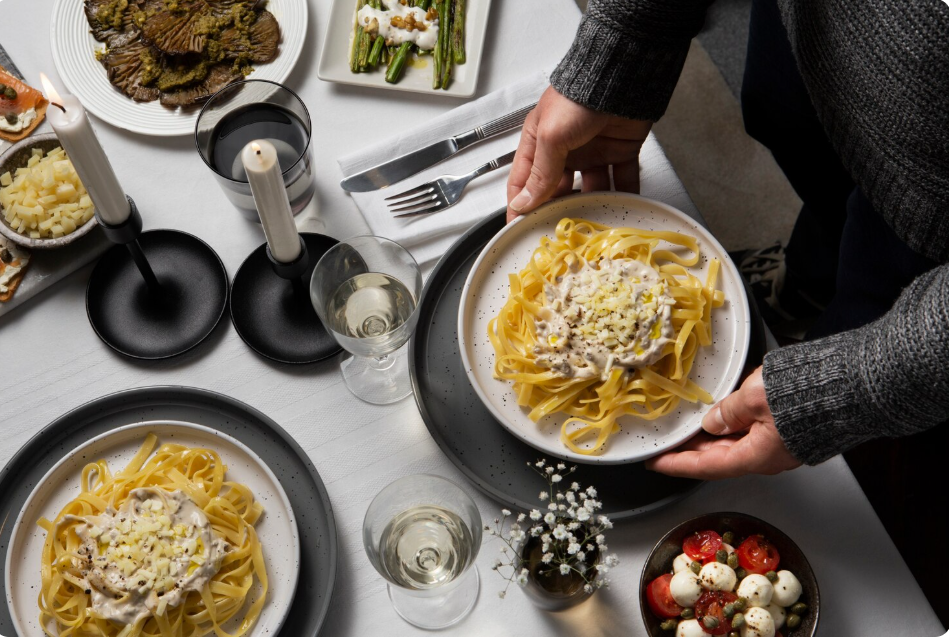
Introduction to Italian Food
Italian Food is celebrated worldwide for its rich flavors, fresh ingredients, and regional diversity. It combines tradition with simplicity, emphasizing quality produce, herbs, and authentic cooking techniques. From handmade pasta to wood fired pizzas, Italian cuisine reflects centuries of culinary heritage while adapting to contemporary tastes. Meals are often shared with family and friends, highlighting the social and cultural significance of food in Italy.
Historical Background of Italian Cuisine
Italian cuisine has roots in ancient Roman, Etruscan, and Mediterranean traditions. Early diets focused on grains, legumes, vegetables, and olive oil. Trade and exploration introduced new ingredients, such as tomatoes, potatoes, and corn, which became staples in Italian cooking. Over centuries, regional specialties developed, reflecting local ingredients, climate, and cultural influences.
Regional Diversity Across Italy
Each region in Italy has its own culinary identity. Northern Italy is known for rich risottos, butter based sauces, and polenta. Central Italy highlights olive oil, fresh tomatoes, and simple pastas like spaghetti and gnocchi. Southern Italy features bold flavors with tomatoes, garlic, seafood, and wood fired pizzas. This regional diversity contributes to the overall richness of Italian food.
Common Ingredients and Staples
Staple ingredients in Italian cuisine include pasta, olive oil, tomatoes, cheese, herbs, and fresh vegetables. Garlic, basil, oregano, and rosemary are commonly used to enhance flavor. Cheese varieties such as Parmesan, mozzarella, and ricotta add texture and depth. Fresh seafood, cured meats, and seasonal vegetables complement the main dishes and provide balanced nutrition.
Pasta and Its Significance
Pasta is a central element of Italian Food, available in countless shapes and sizes. Each type of pasta is paired with specific sauces and ingredients. Traditional recipes focus on simple combinations that highlight flavor, such as spaghetti with tomato sauce or fettuccine Alfredo. Pasta remains a versatile and essential part of everyday meals.
Pizza and Street Food Influence
Pizza originated in Southern Italy and is now globally recognized. Traditional wood fired pizzas use simple ingredients like dough, tomato sauce, mozzarella, and fresh toppings. Regional variations reflect local tastes and ingredients. Italian street food also includes calzones, arancini, and focaccia, offering quick, flavorful options that complement traditional dining experiences.
Herbs, Spices, and Flavor Balance
Italian cuisine emphasizes fresh herbs and seasoning to enhance natural flavors. Olive oil and balsamic vinegar add richness without overpowering dishes. Simple combinations like garlic, olive oil, and fresh basil demonstrate how minimal ingredients can create bold flavors. This focus on freshness and balance defines the uniqueness of Italian cooking.
Italian Desserts and Sweets
Desserts play an important role in Italian Food. Classics such as tiramisu, panna cotta, cannoli, and gelato showcase the use of dairy, chocolate, and fresh fruits. Sweets are often served after meals or during celebrations and contribute to the culinary tradition and indulgence of Italian cuisine.
Dining Culture and Meal Structure
Meals in Italy are structured and social. Traditional dining includes multiple courses: antipasti (appetizers), primi (first course, usually pasta or risotto), secondi (main course), contorni (side dishes), and dolci (desserts). Meals are enjoyed slowly, emphasizing conversation, family, and appreciation of food.
Modern Italian Cuisine
Modern Italian cuisine blends tradition with innovation. Chefs experiment with global ingredients while preserving classic flavors. Contemporary techniques and fusion recipes are common in urban restaurants, expanding the reach of Italian culinary culture. Despite modernization, the focus on fresh, high quality ingredients remains central.
Health Aspects of Italian Food
Italian Food often emphasizes fresh vegetables, olive oil, lean proteins, and moderate portions, aligning with the Mediterranean diet principles. These practices promote heart health, weight management, and overall wellness. Meals are balanced, flavorful, and support a sustainable approach to nutrition.
Influence on Global Cuisine
Italian cuisine has influenced culinary practices worldwide. Pasta, pizza, espresso, and gelato are enjoyed globally. International chefs adapt Italian techniques and ingredients in fusion recipes, further popularizing its flavors. Italian Food continues to inspire innovation while retaining its traditional identity.
Cooking Techniques and Tools
Traditional cooking methods include simmering sauces, baking in wood fired ovens, and slow cooking meats. Simple tools like saucepans, rolling pins, and pizza stones help achieve authentic results. Mastering basic techniques is essential for replicating Italian dishes at home.
Conclusion
Italian Food combines tradition, simplicity, and regional diversity to create a rich culinary experience. Its focus on fresh ingredients, balanced flavors, and social dining makes it both satisfying and culturally significant. From classic pasta and pizza to innovative modern recipes, Italian cuisine continues to influence global tastes while maintaining its authentic heritage.