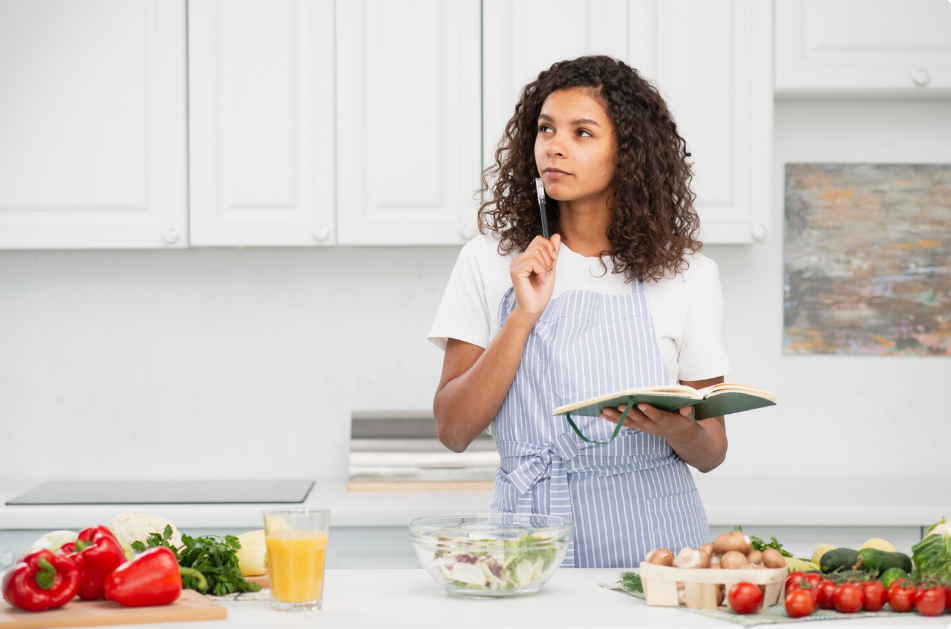
Introduction to Cooking Tips
Cooking Tips are practical pieces of advice designed to make food preparation easier, faster, and more enjoyable. They help both beginners and experienced cooks achieve better results while enhancing flavor and efficiency in the kitchen. Following simple techniques and strategies can transform everyday meals into satisfying dishes that reflect skill and creativity.
Importance of Proper Preparation
One of the first tips is to prepare ingredients before cooking. Washing, chopping, and measuring in advance ensures smooth workflow. This organization reduces stress, prevents mistakes, and allows for precise timing. Proper preparation also ensures consistent texture and flavor across dishes, which is essential for enjoyable meals.
Mastering Basic Knife Skills
Knife techniques affect both presentation and cooking efficiency. Learning to chop, dice, and slice properly saves time and improves safety. Uniform cuts ensure even cooking and enhance the visual appeal of a dish. Investing time in practicing basic knife skills is a foundation for all cooking endeavors.
Using Fresh Ingredients
Fresh ingredients dramatically improve taste and nutrition. Fruits, vegetables, herbs, and proteins at their peak bring natural flavor and texture. Selecting quality produce, meats, and dairy products contributes to the overall success of a meal. Fresh herbs and spices elevate aroma and balance seasoning.
Proper Heat Control
Understanding heat management is essential for cooking success. Using the right temperature prevents burning, undercooking, or overcooking. High heat is suitable for searing and stir frying, while low heat works for slow cooking, simmering, and delicate sauces. Adjusting heat as needed enhances flavor and texture.
Seasoning and Flavor Balancing
Seasoning is key to delicious meals. Salt, pepper, acids, and spices enhance natural flavors. Layering flavors at different stages of cooking creates depth. Tasting regularly ensures balance and prevents over seasoning. Combining herbs, spices, and condiments thoughtfully results in dishes with complexity and appeal.
Time Saving Techniques
Efficiency is vital in modern kitchens. Multi tasking, batch cooking, and using pre prepared ingredients save time. Tools like pressure cookers, food processors, and timers enhance convenience without sacrificing quality. Planning meals in advance reduces daily cooking stress and ensures consistency.
Understanding Cooking Methods
Different techniques bring out unique flavors and textures. Baking, grilling, steaming, boiling, and frying each have specific advantages. Choosing the appropriate method for ingredients improves results. Experimenting with techniques helps develop versatility and confidence in the kitchen.
Importance of Cleanliness and Organization
Maintaining a clean and organized workspace increases efficiency and safety. Cleaning as you go prevents clutter and cross contamination. Proper storage of ingredients ensures freshness and reduces waste. An organized kitchen contributes to a smooth cooking experience and professional results.
Creative Presentation and Plating
Visual appeal enhances enjoyment of meals. Simple tips like arranging food neatly, using contrasting colors, and adding garnishes make dishes more inviting. Even small changes in presentation create a positive impression and elevate everyday meals.
Learning From Mistakes
Mistakes are part of the learning process. Tasting, adjusting, and observing results teach valuable lessons. Understanding why a dish did not turn out as expected improves skills over time. Patience and persistence are key to mastering cooking techniques.
Using Kitchen Tools Effectively
Familiarity with kitchen tools increases efficiency and consistency. Knives, pans, spoons, peelers, and thermometers each have specific purposes. Knowing how to use and maintain them enhances performance. Appropriate tools make tasks easier and save effort.
Enhancing Flavor With Simple Additions
Small additions like citrus zest, fresh herbs, or a splash of vinegar can transform a dish. Layering flavors during cooking and at the final stage adds depth. Simple techniques often have the greatest impact on taste without complexity.
Meal Planning and Ingredient Pairing
Planning meals helps balance nutrition and flavor. Pairing complementary ingredients enhances taste and texture. Understanding which foods work together creates harmony in dishes. Planning ahead reduces last minute decisions and improves overall quality.
Adapting Recipes to Personal Taste
Recipes are guides, not strict rules. Adjusting spices, seasoning, or cooking times to suit personal preference ensures satisfaction. Experimentation encourages creativity and confidence in cooking. Customizing meals makes cooking more enjoyable and rewarding.
Final Thoughts on Cooking Tips
Cooking Tips help improve flavor, save time, and boost confidence in the kitchen. By focusing on preparation, seasoning, heat control, and organization, anyone can enhance their skills and create enjoyable meals. With practice, experimentation, and mindfulness, cooking becomes a creative and satisfying experience that benefits everyday life.