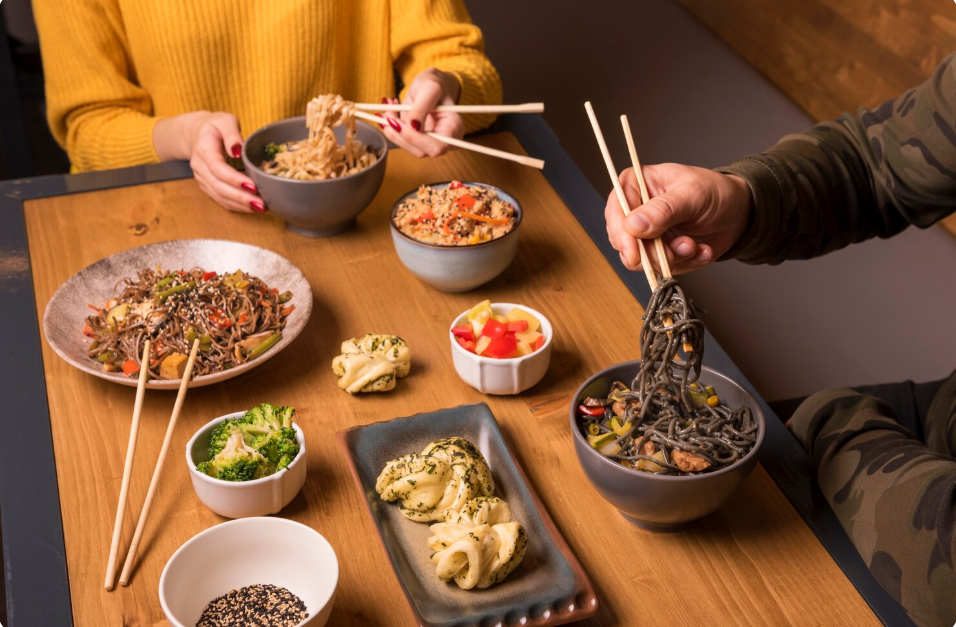
Introduction to Asian Food
Asian Food represents a vast collection of cuisines shaped by geography, climate, culture, and centuries of tradition. Spanning East Asia, South Asia, Southeast Asia, and Central Asia, it reflects diversity rather than a single cooking style. From simple home meals to elaborate festival dishes, food across Asia plays a central role in daily life, social bonding, and cultural identity.
Historical Background and Cultural Roots
Food traditions in Asia developed alongside agriculture, trade, and migration. Ancient farming practices introduced rice, wheat, millet, and spices that remain staples today. Trade routes allowed ingredients and techniques to travel across regions, influencing local cooking styles. Religious beliefs and philosophical ideas also shaped eating habits, encouraging balance, seasonality, and respect for ingredients.
Regional Diversity Across Asia
Each region has its own culinary identity. East Asian cuisines often focus on rice, noodles, vegetables, and light seasoning that highlights natural flavors. South Asian cooking is known for bold spices, layered flavors, and diverse vegetarian traditions. Southeast Asian meals balance sweet, sour, salty, and spicy tastes using herbs and fermented ingredients. Central Asian cuisine features hearty dishes influenced by nomadic lifestyles and trade history.
Common Ingredients and Staples
Staple foods vary by region but often include rice, wheat, noodles, lentils, and vegetables. Herbs and spices such as ginger, garlic, turmeric, and chili add depth and aroma. Soy based products, dairy, seafood, and plant proteins are widely used depending on location. Freshness and seasonality play an important role in ingredient selection.
Cooking Methods and Techniques
Asian kitchens use a variety of cooking methods including steaming, stir frying, boiling, fermenting, and slow cooking. These techniques preserve nutrients while enhancing flavor. Cooking tools such as woks, steamers, and clay pots support efficient preparation. Many recipes rely on timing and technique rather than heavy seasoning.
Balance of Flavors and Nutrition
A key principle across many cuisines is balance. Meals often combine carbohydrates, proteins, vegetables, and healthy fats in one dish. Flavors are carefully layered to achieve harmony rather than dominance. This balance supports digestion, satisfaction, and overall wellbeing when meals are eaten regularly.
Role of Rice and Noodles
Rice and noodles form the foundation of daily meals for millions of people. Different varieties are used based on climate and tradition. Steamed rice accompanies curries, stir fries, and soups, while noodles appear in broths, fried dishes, and salads. These staples provide energy and versatility.
Importance of Spices and Herbs
Spices and herbs are essential not only for flavor but also for tradition and wellness. Many ingredients have historical uses linked to preservation and digestion. The combination of spices reflects regional identity and family heritage. Recipes are often passed down through generations.
Street Food Culture and Everyday Eating
Street food plays a major role in daily life across many Asian countries. Quick, affordable meals reflect local flavors and creativity. Vendors prepare fresh food using simple equipment and time tested recipes. Street food culture highlights accessibility and community connection.
Influence of Religion and Tradition
Religious beliefs influence food choices and preparation methods. Certain cuisines emphasize vegetarian meals, fasting periods, or specific ingredients. Festivals and rituals feature special dishes prepared with care and symbolism. These traditions strengthen cultural continuity.
Modern Adaptations and Global Influence
Globalization has introduced fusion styles and modern interpretations of traditional dishes. Restaurants adapt recipes to suit contemporary tastes while preserving core elements. Asian cuisine has influenced global dining trends and continues to inspire innovation worldwide.
Home Cooking and Family Traditions
Home cooked meals remain central to family life. Cooking together reinforces values and strengthens relationships. Recipes often carry emotional meaning and cultural memory. Home kitchens serve as spaces of learning and tradition.
Health Perspectives and Changing Preferences
Many people appreciate the emphasis on vegetables, grains, and mindful portions. Modern lifestyles have influenced convenience foods, but interest in traditional cooking is growing. People seek balance between heritage and modern nutrition awareness.
Social Meaning of Shared Meals
Sharing food is a sign of hospitality and respect. Meals are often eaten together, reinforcing social bonds. Food acts as a language of care and belonging within families and communities.
Conclusion
Asian Food reflects diversity, balance, and deep cultural meaning. Rooted in history yet adaptable to modern life, it continues to shape daily eating habits and global cuisine. Through regional variety, thoughtful preparation, and shared traditions, it remains an enduring and influential part of the world’s food culture.