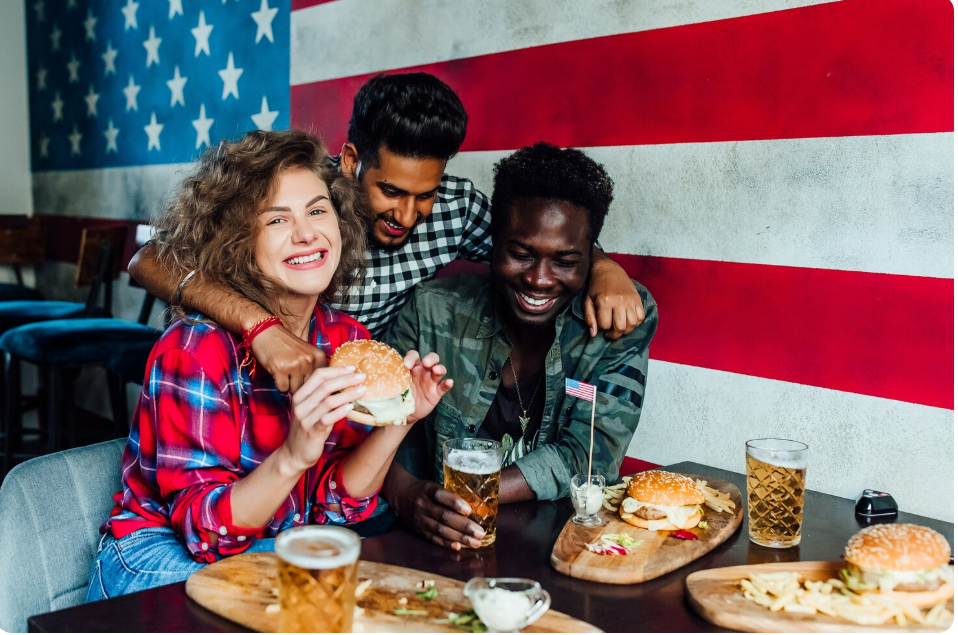
Introduction to American Food
American Food reflects a rich blend of cultures, traditions, and regional influences that have evolved over centuries. Shaped by indigenous practices, immigrant contributions, and modern lifestyles, it represents diversity rather than a single cuisine. From home style comfort meals to fast paced urban dining, food habits in the United States continue to adapt while preserving familiar flavors loved across generations.
Historical Evolution of Eating Habits
The roots of food culture in America trace back to Native American communities who relied on corn, beans, squash, and local produce. European settlers introduced bread, dairy, and new cooking methods. Over time, immigrants from Africa, Asia, Latin America, and Europe added spices, techniques, and recipes that transformed daily meals. This continuous exchange shaped a flexible and evolving food identity.
Regional Diversity Across the Country
Different regions are known for distinct tastes and cooking styles. Southern cuisine emphasizes slow cooking, bold seasoning, and comfort dishes. The Northeast features baked goods, seafood, and hearty meals influenced by European traditions. The Midwest focuses on filling portions and simple ingredients, while the West Coast highlights fresh produce and innovative combinations inspired by global flavors.
Popular Ingredients and Staples
Common ingredients include grains, meats, dairy products, vegetables, and fruits. Corn, potatoes, wheat, and rice form the base of many meals. Dairy items such as cheese and milk are widely used, while vegetables and fruits vary based on season and region. Convenience foods also play a major role due to busy modern routines.
Comfort Food and Emotional Connection
Comfort meals hold a special place in daily life. These dishes are often associated with family gatherings, celebrations, and personal memories. Warm flavors, familiar textures, and generous portions provide emotional satisfaction beyond nutrition. This connection explains the lasting popularity of classic home cooked meals.
Influence of Fast Food Culture
Fast food became a defining element of modern eating habits due to speed, affordability, and accessibility. It transformed dining routines and influenced global food trends. While often debated for health reasons, fast food reflects changing lifestyles and consumer demand for convenience. Many establishments now adapt menus to include healthier and customizable options.
Health Trends and Changing Preferences
In recent years, eating habits have shifted toward balance and awareness. People increasingly seek fresh ingredients, portion control, and nutritional transparency. Plant based meals, organic produce, and reduced sugar options are becoming common. These changes show how traditional eating patterns adapt to modern health priorities.
Role of Home Cooking
Despite the popularity of dining out, home cooking remains important. Preparing meals at home allows control over ingredients and portion sizes. Families often pass down recipes that preserve tradition and cultural identity. Cooking at home also supports healthier choices and shared experiences.
Cultural Celebrations and Food
Food plays a central role in holidays and celebrations. Special dishes are prepared during national holidays, family events, and community gatherings. These meals reinforce cultural values and bring people together. Recipes often vary by household, adding personal meaning to shared traditions.
Influence of Media and Technology
Television, social media, and online platforms shape food trends and preferences. Cooking shows and digital recipes inspire experimentation and creativity. Technology also influences how people order, prepare, and share meals. This exposure encourages fusion styles and global awareness.
Sustainability and Ethical Awareness
Growing concern for sustainability influences food choices. People are more conscious of sourcing, waste reduction, and ethical practices. Local produce, seasonal ingredients, and mindful consumption support environmental responsibility. These considerations continue to shape future eating habits.
Dining as a Social Experience
Meals often serve as a way to connect with others. Restaurants, backyard gatherings, and family dinners strengthen social bonds. Sharing food encourages conversation and cultural exchange. Dining experiences reflect both tradition and innovation.
Adaptation to Modern Lifestyles
Busy schedules require flexible meal solutions. Ready to eat options, meal kits, and simplified recipes meet modern demands. At the same time, people seek quality and flavor. Balancing convenience with nutrition remains a key focus.
Conclusion
American Food represents history, diversity, and constant change. Influenced by many cultures and shaped by modern life, it continues to evolve while maintaining familiar comforts. From regional specialties to contemporary health trends, it reflects how people eat, celebrate, and connect. This dynamic food culture remains an important part of everyday life and shared identity.